
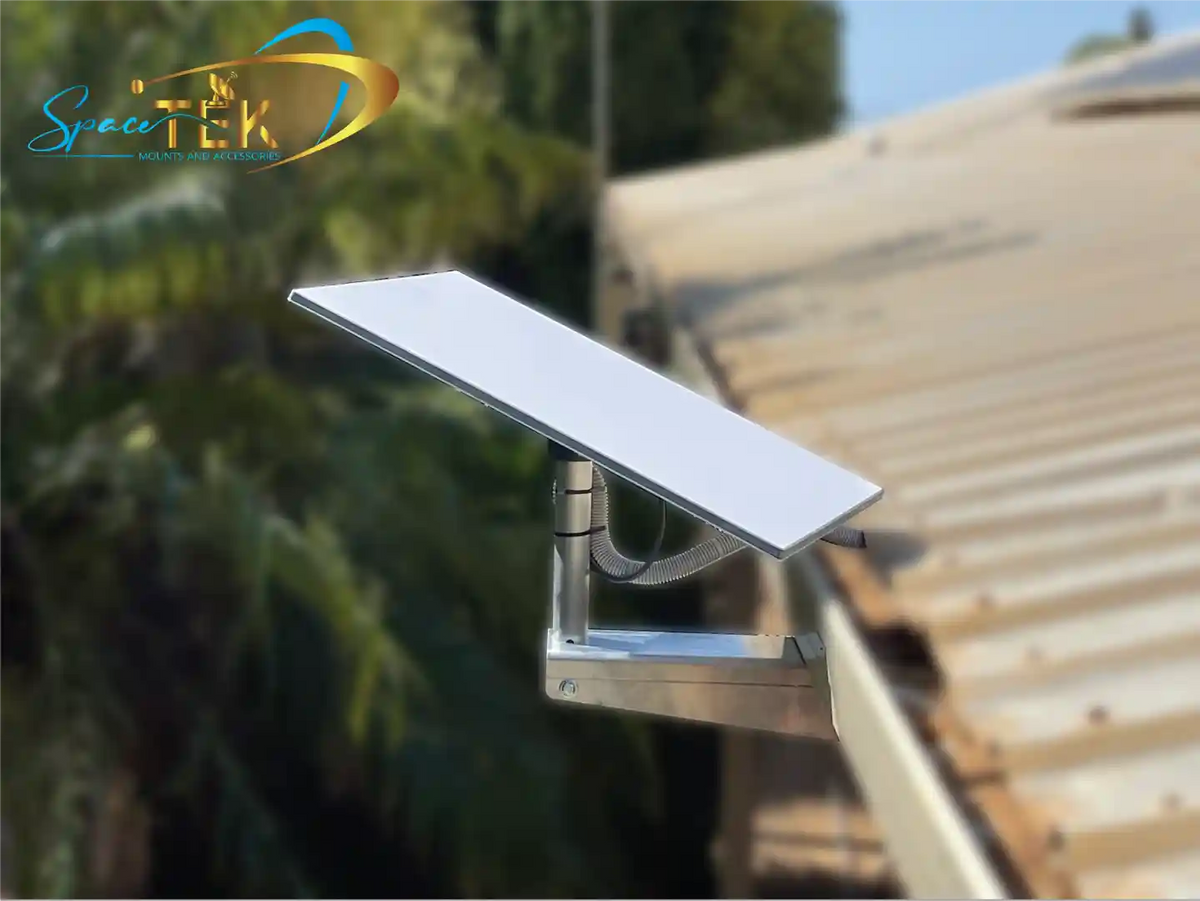
Coastal salt spray can quickly corrode ordinary fittings. A well-designed salt-resistant Starlink mount helps keep your dish secure, aligned and ready for rough weather.
If you live near the coast, it pays to choose a dish mount designed for salt, humidity and strong winds rather than hoping standard hardware will hold up.
Key Takeaways
- Choose dish mounts made from precision-machined or folded aluminium and reinforced composite for dependable coastal durability.
- Look for protective finishes, quality stainless-steel fasteners and drainage that helps prevent salt build-up.
- Check cable entries and connector seals regularly, especially after heavy rain or sea spray.
- Match the mount to your roof, vehicle, vessel or camping setup so the dish stays stable in windy conditions.
- For portable vehicle and camping setups, consider the Starlink Mini V-Cell Single Roof Rack Wing Supports.
Why Does Salt Exposure Matter on the Australian Coast?
Along the Australian coastline, salt spray and humidity can work their way into joints, fastener threads and cable entry points. After rain or heavy sea mist, moisture sitting on unprotected metal can speed up corrosion and shorten the life of ordinary mounting hardware.
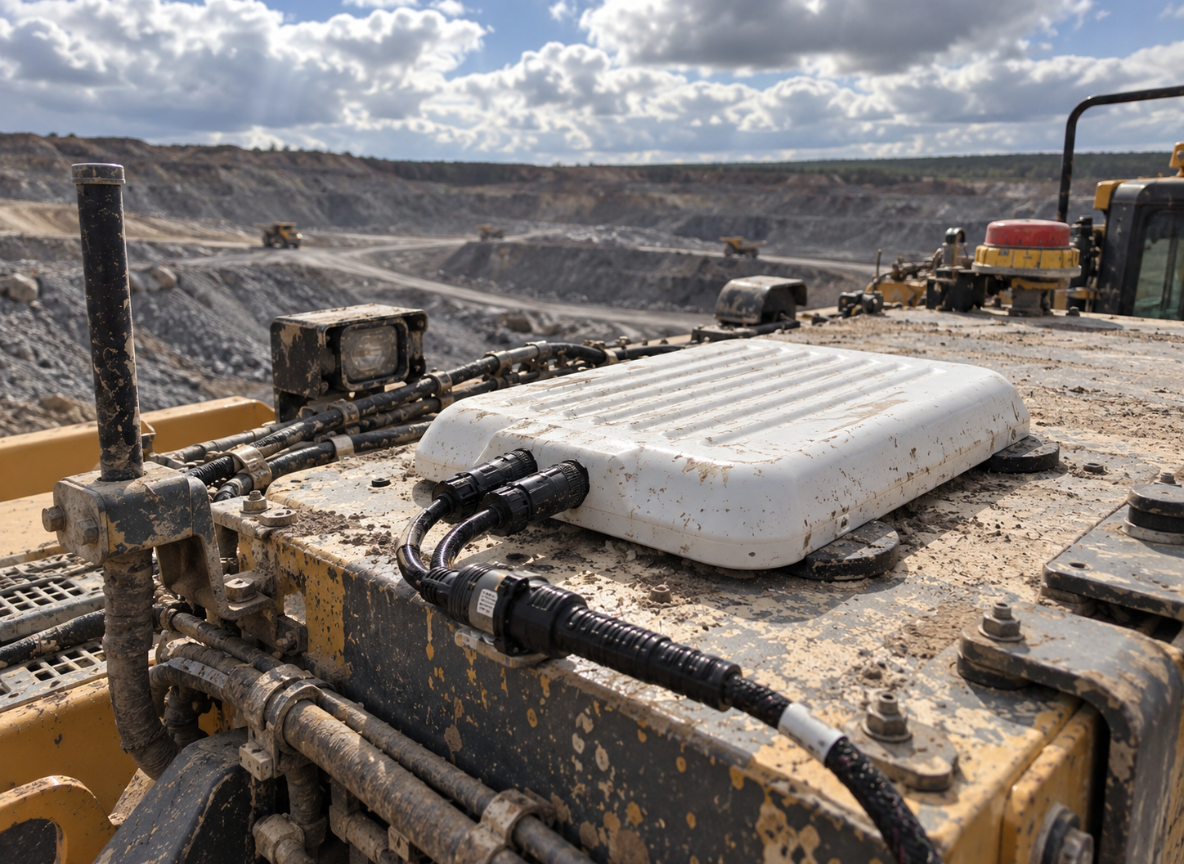
Starlink Performance terminals are built for harsh maritime conditions, with powder-coated aluminium enclosures tested against salt spray. Their mated proprietary connector also has an IP69K rating, helping keep high-pressure water and fine salt mist out of the electrical interface.
Those terminal ratings do not automatically protect a basic off-the-shelf mount. Pairing your setup with an Australian-designed SpaceTek dish mount made from precision-machined or folded aluminium and reinforced composite gives the installation a more reliable foundation for coastal conditions.
Why Do Salt-Resistant Starlink Mounts Matter on the Australian Coast?
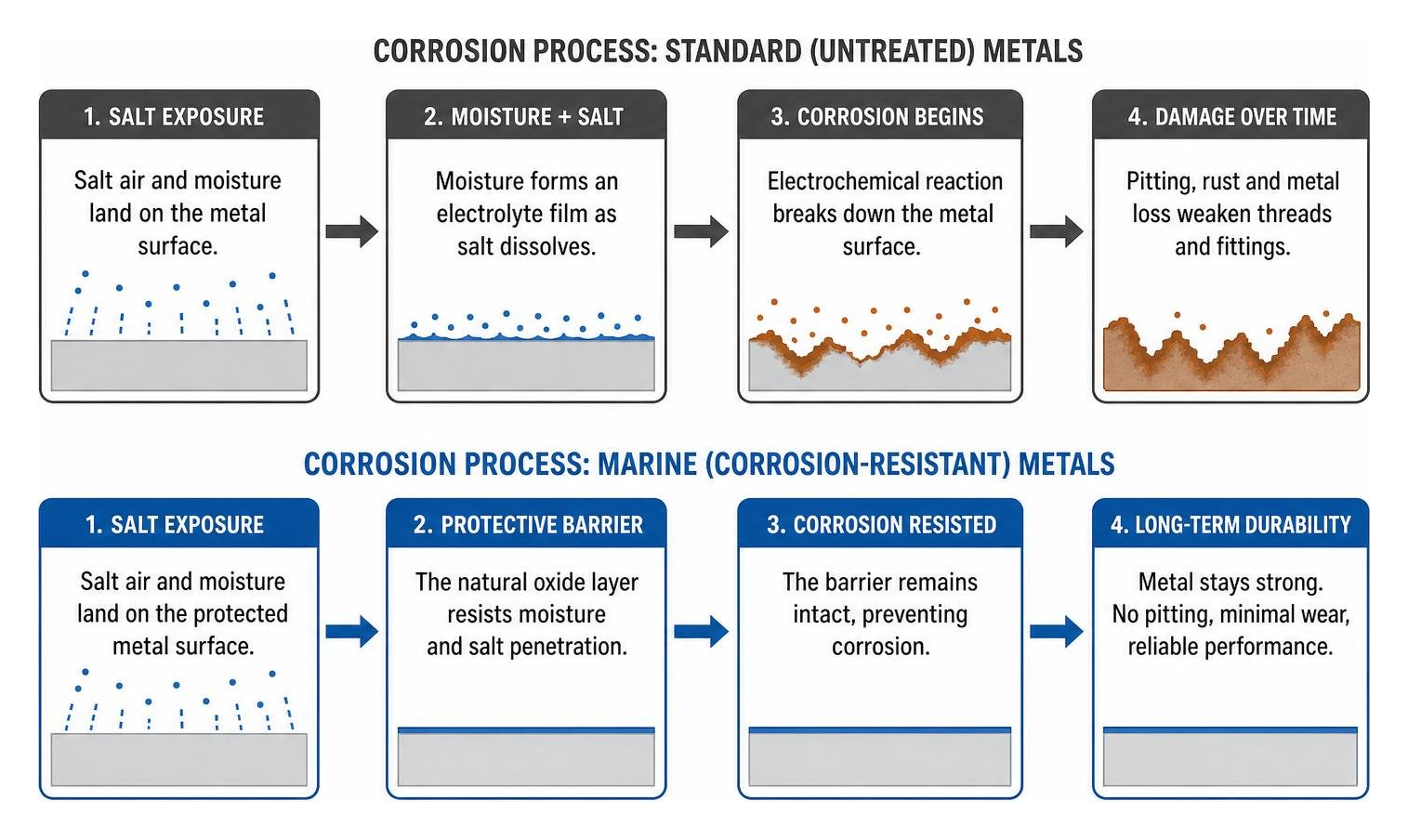
A coastal Starlink setup faces more than the usual wind and rain. Sea breezes can carry fine salt particles well inland, and morning dew or coastal fog can turn those deposits into a conductive film that speeds up metal oxidation.
That is why mild steel and lightly plated fittings can struggle near the water. When unsuitable metals touch in salty moisture, galvanic corrosion can damage baseplates, seize threads and leave rust marks on roofs or vehicle panels.
For a coastal installation, choose a salt-resistant Starlink mount that keeps the dish aligned and securely supported when the weather turns rough.
What Makes a Heavy-Duty Starlink Mount Ready for Marine Air?
A marine-ready dish mount combines corrosion-resistant materials with practical design details that help reduce rust and fatigue:
- Precision-machined and folded aluminium: SpaceTek mounting assemblies use structural-grade aluminium, which develops a protective oxide layer that helps resist atmospheric corrosion.
- Durable powder coating: A quality powder-coated finish creates a barrier between the base metal, airborne salt and harsh UV exposure.
- Marine-grade stainless-steel fasteners: Suitable bolts and locknuts help reduce galling, rust-welding and thread seizure, making future adjustments easier.
- Reinforced composite components: Composite parts can reduce metal-on-metal contact and galvanic bridging in high-vibration areas while standing up to salt and UV exposure.
Avoiding raw mild steel and unprotected fasteners helps protect your roof, vehicle or vessel while giving your satellite dish a steadier long-term mount.
How Does Certified Marine Durability Protect Satellite Hardware in Coastal Air?
When you are setting up satellite connectivity on a coastal roof, vessel or coastal property, verified environmental testing gives you a clearer picture of what the terminal can handle.
For example, marine-grade satellite hardware may be tested under demanding conditions to demonstrate structural endurance:
- Salt-spray testing: Testing can assess resistance to prolonged salt-fog exposure, including corrosion, surface blistering and electrical failure.
- Modified salt-spray testing: This type of test uses acidified synthetic sea-salt spray to assess resistance in corrosive industrial and marine environments.
- Thermal lifecycle simulation: Repeated temperature cycling helps show how equipment responds to severe weather changes over time.
What Role Do Ingress Protection and High-Velocity Wind Ratings Play?
Corrosion resistance is only part of the picture. Your mounting setup also needs to handle tropical downpours, driving rain and strong coastal gusts.
The satellite terminal has an IP68 rating when unpowered or unplugged and an IP69K rating when its proprietary cable connector is properly mated. That seal helps keep moisture, surf spray and fine airborne salt away from the electrical connection.
Wind ratings are another useful check when you are comparing mounting options:
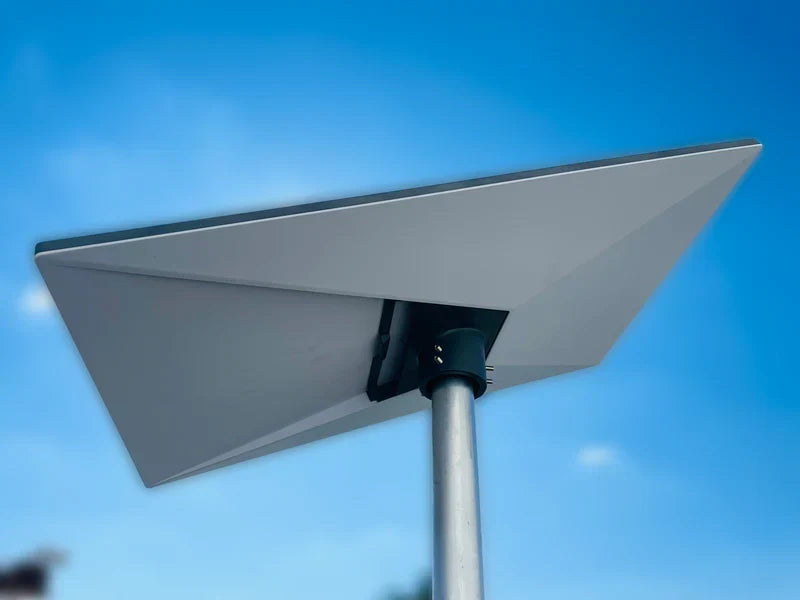
- Flat and wedge dish mounts: Engineered and tested for wind speeds of up to 270 km/h.
- Wall and pole dish mounts: Built to handle sustained wind loads of up to 177 km/h for demanding coastal conditions.
- Rapid thermal moisture shedding: Fast thermal melt rates help rain, hail and moisture run off instead of pooling on the active antenna face.
Together, these engineering details help support reliable broadband whether your dish is installed on a coastal home, a vessel or a touring setup.
Which High-Performance Mounting Solutions Beat Harsh Australian Coastal Winds?
SpaceTek Australia designs and manufactures robust dish mounts for demanding Australian conditions. Whether you are setting up an off-grid beach home, a fishing vessel, a coastal caravan or a 4WD touring rig, the right marine-ready mount can make the installation feel far less stressful.
For mobile or off-grid setups, SpaceTek StarPower V2 and V3 DC power supplies offer practical advantages over standard AC inverters. Direct DC-to-DC power can provide higher efficiency, lower draw on auxiliary batteries and the option to bypass the Starlink router for a tailored off-grid setup.
Which Salt-Resistant Starlink Mounts Suit Coastal Winds?
These four options are designed for different coastal, touring and mobile setups:
- Starlink Mini Mobility Mount: A precision-folded aluminium, powder-coated option that holds a Starlink Mini securely on vehicle roofs and canopies in salty air and highway winds.
- Starlink Mini V-Cell Single Roof Rack Wing Supports: A low-profile roof-rack attachment with reinforced composite components for tourers dealing with salt mist, UV exposure and track vibration.
- Robust Powder-Coated In-Motion Magnetic Roof Mount for Starlink Mini: A non-destructive temporary or semi-permanent mounting choice with rubber-coated magnets and a folded aluminium chassis.
- Carbon Fibre Telescopic Mount for Starlink: A lightweight option with marine-grade fasteners for lifting the dish above trees, dunes and campsite obstructions.
How Should You Install and Maintain Marine-Grade Satellite Mounts?
Good installation and simple routine maintenance go a long way in coastal areas. Taking a little time to position, seal and inspect your equipment helps reduce strain on cables, baseplates and dish electronics.
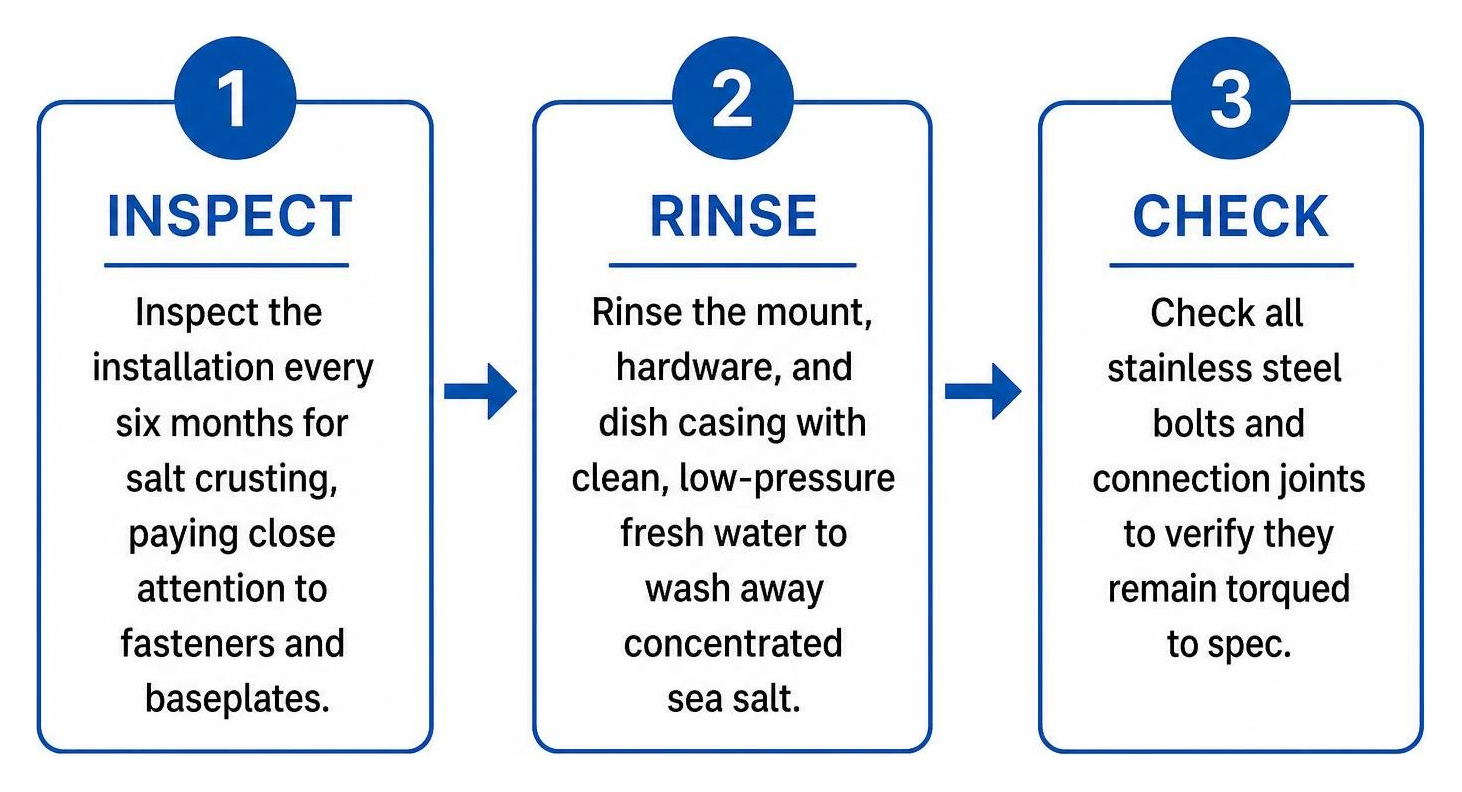
Use these practical maintenance steps to help your setup last:
- Inspect the full mount assembly twice a year for salt build-up around baseplate joints, fasteners and roof contact areas.
- Rinse the dish mount, hardware and dish casing with low-pressure fresh water to clear away accumulated salt.
- Check marine-grade stainless-steel fasteners and confirm they remain correctly tightened.
- Inspect cable entry points, rubber grommets and the mated connector seal for salt dust or water ingress.
- Apply dielectric grease to exterior connector shells only when the manufacturer recommends it.
If you are dealing with a steep roof, a multi-level coastal home or a more complex commercial site, an experienced installer can help you maintain clear sky visibility and a secure mounting position.
Frequently Asked Questions About Coastal Satellite Hardware
How does salt spray affect standard non-marine satellite mounts?
Salt-laden air can quickly corrode raw mild steel and lightly plated mounts. Over time, that can cause pitting, weaker load-bearing joints, seized adjustment threads and rust around the installation.
Can heavy-duty satellite mounts withstand tropical cyclone wind gusts?
A properly engineered dish mount can be designed for demanding wind loads, but you should always check the rating for the specific mount, location and installation method before relying on it in severe weather.
Why are IP69K mated connectors useful for coastal setups?
An IP69K rating on a properly mated electrical connector helps resist high-pressure water, driving rain and fine airborne salt. That added protection can help keep moisture away from electrical pins and reduce the risk of contact oxidation.
How Can You Prepare Your Starlink Setup for the Australian Coast?
Salt air and sudden coastal squalls can wear down unsuitable hardware quickly. Choosing a certified satellite terminal and a SpaceTek dish mount made from precision-machined or folded aluminium and reinforced composite gives your setup a stronger, more dependable base for Australian coastal conditions.
Whether you are fitting out a beach home, an off-grid property, a vessel or a 4WD touring vehicle, choose mounting hardware built for the local climate. If you would like help selecting the right setup or DC power accessories, contact the SpaceTek team.

Leave a comment
This site is protected by hCaptcha and the hCaptcha Privacy Policy and Terms of Service apply.